






Ponieważ świat zwraca większą uwagę na energię odnawialną, energia słoneczna była szeroko stosowana jako czysta i zrównoważona forma energii. Systemy fotowoltaiczne (PV) odgrywają ważną rolę w budynkach mieszkalnych, komercyjnych i dużych elektrowniach fotowoltaicznych. W systemach fotowoltaicznych kable i przewody są kluczowymi komponentami, które określają wydajność, niezawodność i bezpieczeństwo systemu. Dlatego wybór odpowiedniego kabla jest bardzo ważny.
W tym artykule zbadamy cechy i obowiązujące standardy kabli słonecznych i przewodów słonecznych oraz porównać ich zastosowania w różnych układach słonecznych. Wreszcie, przy wyborze kabli słonecznych damy czynniki, które pomogą Ci podjąć najlepszą decyzję.

1. Co to jestkable słonecznei przewody słoneczne?
1.1 Kabel słoneczny
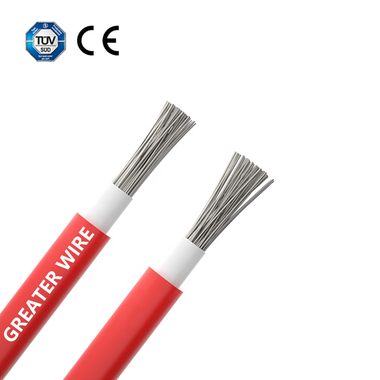
Kable słoneczne to kable zaprojektowane specjalnie dla systemów fotowoltaicznych. Ich głównym zadaniem jest przesyłanie energii elektrycznej wytwarzanej przez panele słoneczne do falowników, urządzeń do magazynowania energii lub systemów zasilania. Kable słoneczne muszą nie tylko mieć funkcję przewodzącą konwencjonalnych kabli, ale także muszą wytrzymać długoterminową ekspozycję na zewnątrz, ekstremalne klimaty, promieniowanie ultrafioletowe i inne czynniki.
Kable słoneczne mają zwykle następujące cechy:
Oporność w wysokiej temperaturze: kable słoneczne muszą wytrzymać środowiska o wysokiej temperaturze, zwłaszcza środowiska pracy pod bezpośrednim światłem słonecznym.
Odporność na ultrafiolet (UV):Kable słoneczne są narażone na zewnątrz przez cały rok, a promieniowanie ultrafioletowe może powodować starzenie się materiału kablowego, więc kabel musi mieć dobrą odporność na promieniowanie UV.
Korozja i odporność na starzenie: kable słoneczne muszą być w stanie oprzeć się korozji chemicznej, utlenianiu i starzeniu się oraz utrzymywać długoterminową stabilność.
Wodoodporna wydajność:Ponieważ kable słoneczne są często narażone na wilgotne środowiska, zewnętrzna warstwa kabla musi mieć silne wodoodporne właściwości.
Tolerancja wysokiego napięcia: nowoczesne systemy fotowoltaiczne zwykle działają przy wyższych napięciach, więc poziom napięcia kabli słonecznych musi spełniać wymagania systemowe.
1.2 Drut słoneczny
Druty słoneczne zwykle odnoszą się do pojedynczych przewodów używanych do łączenia paneli słonecznych i innych urządzeń. W porównaniu z kablami brakuje im zewnętrznej izolacji i warstw osłonki, więc wymagają większej ochrony po użyciu. Chociaż przewody słoneczne są czasami używane w systemach fotowoltaicznych, są one bardziej używane do połączeń krótkich i lekkich scenariuszy okablowania. W przeciwieństwie do kabli słonecznych przewody zwykle zawierają tylko jeden lub więcej przewodów, więc nie są one odporne na środowisko.
2. Główne typy i standardy kabli słonecznych
Istnieje wiele rodzajów kabli słonecznych, w tym podwójny konduktor (kabel dwurdzeniowy), jednorodnik, jednoosobowy odporny na wysokie napięcie itp. Każdy rodzaj kabla ma różne scenariusze i charakterystyki użytkowania, a konkretny wybór należy określić zgodnie z potrzebami systemu fotowoltaicznego.
2.1 Kabel słoneczny z dwoma przedwodnicami (kabel dwurdzeniowy)
Kable podwójnego przewodników są często używane do równoległego łączenia wielu paneli fotowoltaicznych i mają dobrą pojemność prądu i wydajność elektryczną. Każdy kabel ma dwa przewody w środku, jeden dla bieguna dodatniego, a drugi dla bieguna ujemnego. Projekt kabla pomaga utrzymać stabilność systemu i wydajność transmisji mocy.
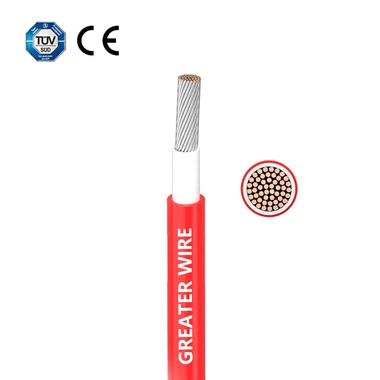
2.2 Kabel słoneczny jednoosobowy
Kable jednokierunkowe są używane głównie do pojedynczych połączeń elektrycznych lub mniejszych systemów fotowoltaicznych. Zasadniczo są one odpowiednie do łączenia paneli z falownikami lub w aplikacjach wymagających wyższych prądów.
2.3 Kable słoneczne wysokiego napięcia (kable wysokiego napięcia)
Nowoczesne duże stacje mocy fotowoltaicznej i wysokowydajne systemy fotowoltaiczne zwykle mają wyższe poziomy napięcia. Aby dostosować się do tych systemów, kable słoneczne muszą obsługiwać wyższe poziomy napięcia (takie jak 1000 V lub 1500 V). Projektowanie tych kabli wysokiego napięcia wymaga szczególnej uwagi na wydajność elektryczną, materiały izolacyjne i możliwości transmisji wysokiego napięcia.
2.4 Fotowoltaiczne standardy kablowe
Kable słoneczne muszą spełniać określone standardy bezpieczeństwa i wymogi certyfikacyjne. Wspólne standardy obejmują:
IEC 60216:Odporność na ciepło i starzenie się kabli.
IEC 60754:Uwalnianie dymu i korozja kabli w sytuacjach pożarowych.
UL 4703:Standard bezpieczeństwa dla kabli fotowoltaicznych w Stanach Zjednoczonych.
Certyfikacja Tüv:Certyfikacja kabli fotowoltaicznych na rynku europejskim w celu zapewnienia, że kable spełniają wymagania oporności na promieniowanie UV i oporność na wysoką temperaturę.

3. Różnica między kablami słonecznymi a przewodami słonecznymi
Główna różnica między kablami słonecznymi a przewodami słonecznymi leży w strukturze, używa środowiska i właściwości materiału. Oto kluczowe różnice między nimi:
3.1 Różnice strukturalne
Kable słoneczne:Kable słoneczne zwykle składają się z wielu przewodów, warstw izolacyjnych i zewnętrznych osłon. Jego zewnętrzna osłona jest zwykle wykonana z polietylenu (PE) lub innych materiałów opornych na UV i opornych na wysoką temperaturę, aby zapewnić utrzymanie dobrej wydajności pracy przy długoterminowej ekspozycji na świeżym powietrzu.
Druty słoneczne: Druty słoneczne zwykle mają tylko jeden przewodnik, nie ma zewnętrznej osłony lub mają tylko prostą izolację zewnętrzną. Dlatego przewody słoneczne są bardziej odpowiednie do aplikacji lub aplikacji na krótkie odległości, które nie są narażone na zewnątrz.
3.2 ADAPTALIZACJA ŚRODOWISKA
Kable słoneczne:Kable słoneczne są przeznaczone do środowiska na zewnątrz i trudne. Mają silną odporność na promienie UV, wysokie temperatury, starzenie się i wodę i mogą stabilnie działać pod długotrwałym narażeniem na światło słoneczne i trudne warunki pogodowe.
Druty słoneczne: Z powodu braku zewnętrznej osłony lub warstwy ochronnej przewody słoneczne mają słabą odporność na pogodę i odporność na środowisko i są bardziej odpowiednie do zastosowań wewnętrznych lub połączeń z krótkimi odległością.
3.3 Bezpieczeństwo i trwałość
Kable słoneczne:Zewnętrzna osłona kabli słonecznych jest dobrze zaprojektowana i może skutecznie zapobiegać uszkodzeniom fizycznym, korozji chemicznej i starzeniu się czynnikom środowiskowym. Zwykle ma tolerancję wysokiego napięcia (600 V, 1000 V lub 1500 V), spełnia surowe standardy bezpieczeństwa i może działać stabilnie przez długi czas.
Przewody słoneczne:Druty słoneczne mają niską trwałość i odporność na uszkodzenia i ogólnie nadają się do zastosowań o niższych napięciach i łagodniejszych środowiskach pracy.
4. Kluczowe czynniki wyboru najlepszego kabla słonecznego
Przy wyborze najlepszego kabla słonecznego należy wziąć pod uwagę kilka kluczowych czynników:
4.1 Poziom napięcia
Poziom napięcia kabla słonecznego jest jednym z najważniejszych czynników selekcyjnych. Większość domowych i małych komercyjnych systemów fotowoltaicznych zwykle ma poziom napięcia 600 V lub 1000 V, podczas gdy duże elektrownie fotowoltaiczne mogą wymagać wyższego poziomu napięcia, na przykład 1500 V. Wybierz kabel o odpowiednim poziomie napięcia zgodnie z znamionowym napięciem systemu, aby upewnić się, że kabel może wytrzymać napięcie robocze systemu.
4.2 Materiał kablowy
Materiał przewodnika kabla słonecznego jest zwykle miedzi lub aluminium. Przewód miedzi ma lepszą przewodność niż przewód aluminiowy, ale koszt jest wyższy. Wybór kabla przewodnika miedzianego może poprawić wydajność systemu, szczególnie podczas transmisji na duże odległości. Chociaż aluminiowy kabel przewodnika jest tańszy, ma słabą przewodność i nadaje się do transmisji na krótkim dystansie.
4.3 ADAPTALIZACJA ŚRODOWISKA
Kable słoneczne muszą być w stanie wytrzymać ostre warunki środowiskowe, w tym wysoką temperaturę, silne promieniowanie ultrafioletowe, deszcz, wiatr i piasek itp. Dlatego bardzo ważne jest, aby wybrać materiał zewnętrzny z kabli o charakterystyce, takie jak odporność na promieniowanie UV, odporność na wodę i oporność w wysokiej temperaturze. Typowe materiały zewnętrzne osłonki obejmują polietylen (PE), ** Polisowany polietylen (XLPE) ** itp. Materiały te mogą skutecznie chronić wewnętrzną strukturę kabla i przedłużyć żywotność serwisową kabla.
4.4 Certyfikacja kablowa i standardy
Kable słoneczne muszą być zgodne z ścisłymi międzynarodowymi standardami bezpieczeństwa i jakości, takimi jak IEC 60216, IEC 60754, UL 4703 itp. Wybór certyfikowanych kabli może zapewnić, że mają wysokie bezpieczeństwo i niezawodność w długoterminowym użyciu.
4.5 Elastyczność i łatwość instalacji
W niektórych systemach fotowoltaicznych elastyczność i łatwość instalacji kabla są również ważnymi czynnikami w selekcji. Wybór elastycznych kabli słonecznych może ułatwić instalację, szczególnie w złożonych środowiskach okablowania.